Grasping Societal Beliefs: An Deep Dive
Within today's rapidly evolving governmental arena, grasping different ideologies that shape our society is more crucial than ever. An emergence of independent voters marks a departure from conventional party loyalties, prompting individuals to question whether we are entering a new political age. With the countdown to the upcoming polls begins, voters and political observers alike are grappling with a huge number of urgent concerns that could redefine our democratic values and voting processes.
From the increasing worries over the integrity of elections and gerrymandering to the fresh figures appearing on the governmental scene, each element contributes to a intricate weave of ideologies and approaches. As the younger vote set to emerge as a transformative force and the specter of impeachment rumors lingering in the horizon, it is clear that the atmosphere is tense. While we explore these topics, it is important to analyze the consequences of every development, from the power dynamics inside Washington to the impact of technology and misinformation in shaping public perception.
The Rise of Independent Candidates in Political Systems
In the past few years, the electoral landscape has seen a dramatic shift with the growth of independent voters. These individuals are steadily moving away from mainstream political parties in favor of a more unique approach to politics. This trend reflects a growing disillusionment with the two major parties, as many voters seek candidates who align with their specific beliefs rather than adhering strictly to strict partisan loyalties. The draw of independence lies in its promise of freedom and authenticity, allowing voters to emphasize issues that matter the most to them.
As we approach the forthcoming election, independents are poised to play a critical role in determining the direction. Their numbers are steadily growing, making them a vital demographic that candidates must pay attention to. Political strategists are realizing that winning the support of independents can be as crucial—if not more than mobilizing traditional party members. Campaigns are thus shifting their focus their strategies, altering messages to gain these pivotal voters by tackling their concerns and supporting practical solutions.
The increasing influence of independents is changing the environment within the political establishment and the broader political arena. This shift requires new partnerships and approaches among politicians who must now maneuver through a more fragmented electoral landscape. As independents continue to assert their presence, they challenge the norms of political partisanship, signaling a potential transformation in how elections are contested and won. The growing importance of this group emphasizes a desire for a political system that reflects a more diverse set of beliefs and opinions.
2025 Election Perspectives and Obstacles
As the countdown to the Twenty Twenty-Five polling accelerates, understanding the environment of political allegiances is essential. The growth of the independents may signal a shift towards a new political landscape, where conventional party commitment is reassessed. Electorate are progressively seeking candidates who connect with their principles rather than exclusively aligning with established party lines. This movement raises concerns about the effectiveness of present political strategies and whether candidates will cater to this expanding group.
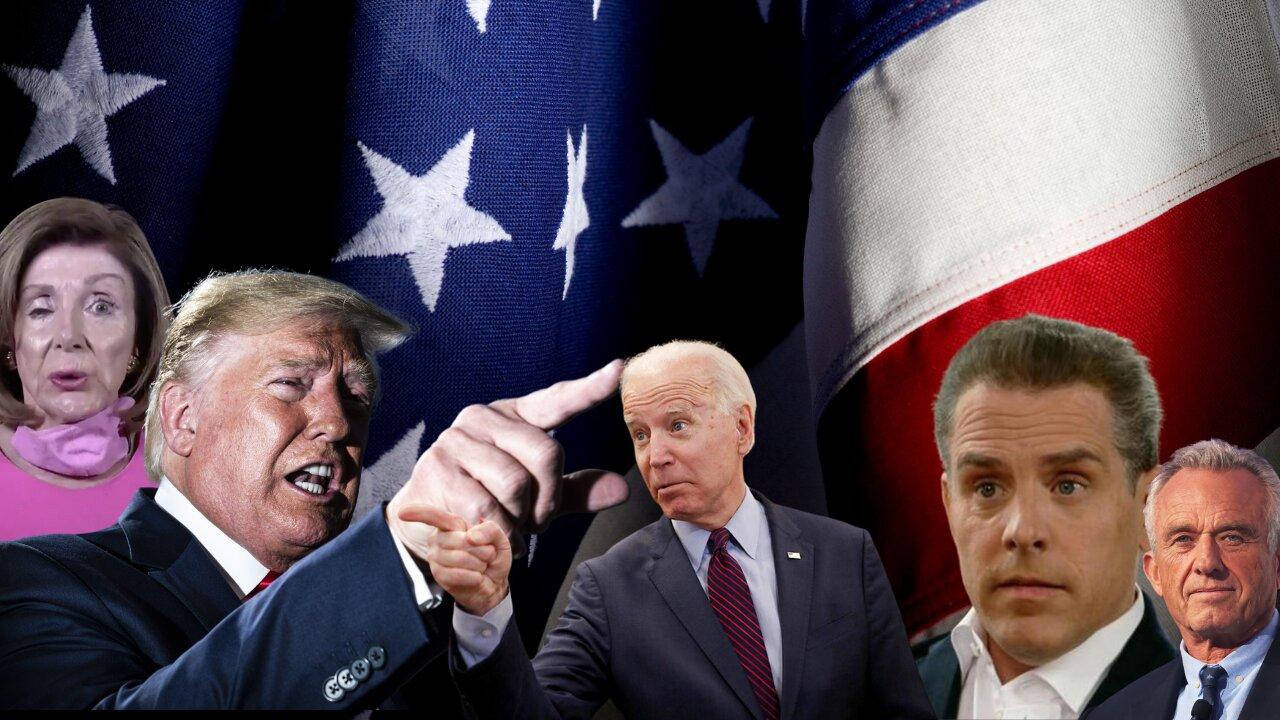
The young vote is progressively looking like a significant influence for the forthcoming vote. With a strong focus on issues like climate issues and fairness, Gen Z voters are arguably more enthusiastic and knowledgeable than at any time. Candidates will need to reach out with these voters and respond to their concerns realistically. Inability to connect with this central group may lead to missed chances and significant repercussions for those in control.
However, with the enthusiasm of a upcoming electoral cycle comes the issue of misinformation and polling tampering fears. The increase of digital platforms has made it easier for misleading narratives to spread, hindering voters' skill to discern facts from fiction. As political parties develop strategies on how to best communicate their communications, addressing these challenges will be essential to ensuring a fair and transparent voting system that preserves the integrity of the democratic process.
Exploring Power Relations in D.C.
In the constantly changing landscape of Washington, power dynamics are regularly evolving, influenced by a range of factors including the electorate's views, party loyalties, and strategic maneuvering. The rise of independents has added a fresh variable into this equation, undermining traditional party loyalties and forcing both major parties to reassess their strategies as they approach the upcoming election. As voter demographics change and the subjects at the forefront of political discourse evolve, candidates will need to adapt to these transformations to maintain significance and support.
As alliances form and dissolve, the concept of cross-party cooperation is put to the test. Emerging alliances in Congress often develop in unforeseen ways, where unexpected allies find agreement on certain matters, only to separate on different matters. This intricate web of interactions shapes legislative outcomes, creating a landscape where collaboration and conflict coexist. The ongoing discussions around financial decisions highlight these tensions, revealing who will benefit or face disadvantages in the impending financial decisions that will impact various sectors and the electorate.
The influence of outside influences, such as foreign policy shifts and social movements, further complicates the political landscape. As voices advocating for sustainability initiatives and equity rise, the renewal of activism signifies a growing demand for responsibility from those in power. https://graph.org/Dealing-with-Political-Instability-Professional-Perspectives-04-25 renewed engagement from the youth vote, combined with a focus on disinformation and campaign strategies, underscores the critical need for openness and efficiency in governance. Navigating these power dynamics requires not only political acumen but also a keen understanding of the electorate's needs and the ever-present potential for transformation.